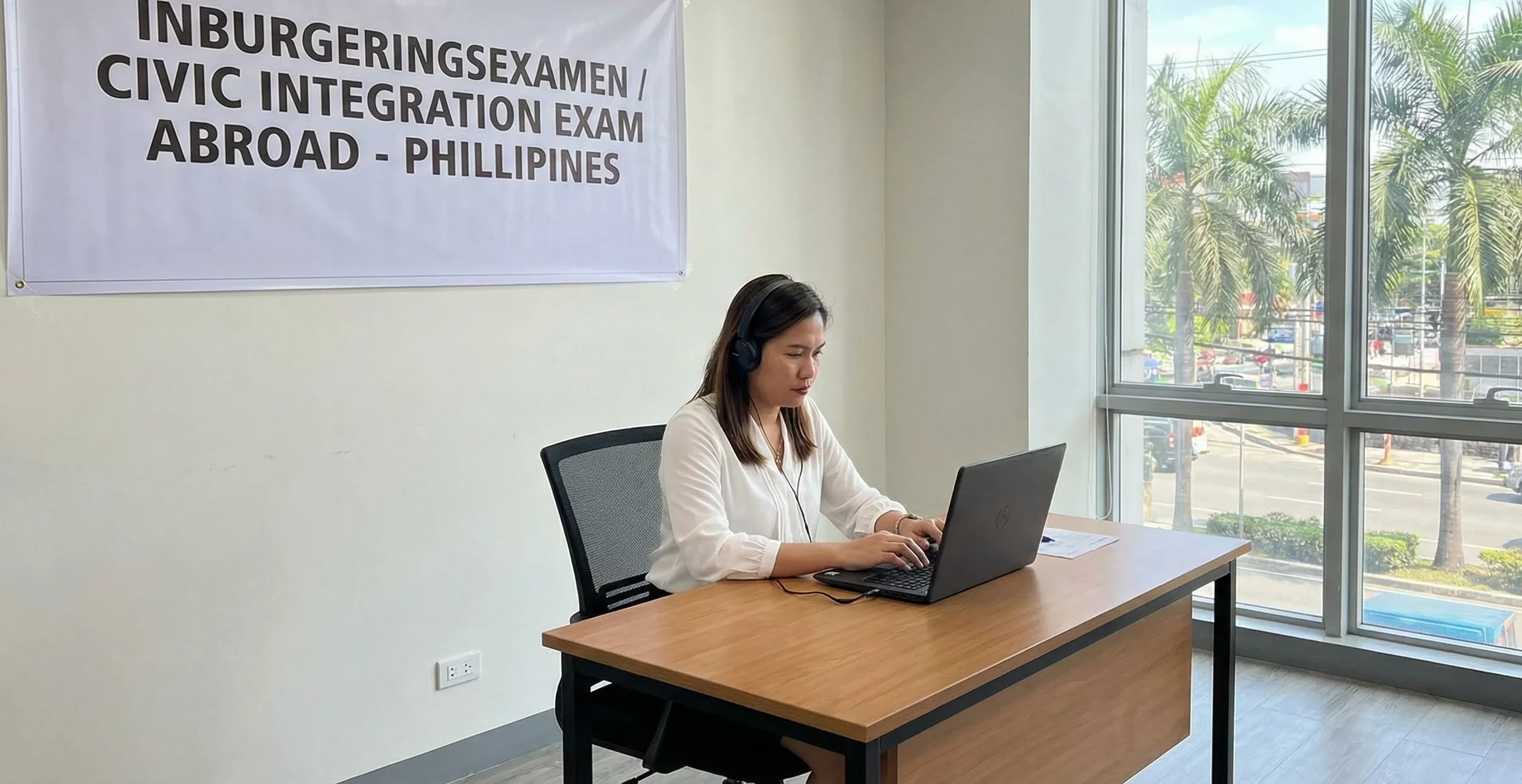
The Ultimate Guide to the Dutch Civic A1 Integration Exam Abroad (Inburgeringsexamen buitenland) in 2026
If you’re abroad and planning a long stay in the Netherlands, you may face one early hurdle: the Dutch civic integration exam abroad at A1 level (in Dutch, Inburgeringsexamen buitenland). For many people, it’s a required step before you can apply for an MVV visa or certain residence permits. Passing gives you proof for your immigration file, so your application can move forward.
What the Inburgeringsexamen buitenland A1 is in 2026 and who must take it
The Inburgeringsexamen buitenland is a pre-entry civic integration exam. You take it outside the Netherlands, usually at a Dutch embassy or consulate, before your MVV process can continue for certain residence routes. In plain terms, the Dutch state wants to see that you can handle basic Dutch and that you understand everyday life in the Netherlands.
A1 is the first step on the CEFR language scale. It’s “survival Dutch,” the level where you can use simple phrases, answer short questions about yourself, and understand very basic written texts. Think of it like learning enough to function in predictable situations, not enough to debate or write formal emails.
The legal purpose matters because it shapes how you should prepare. You’re not studying Dutch “in general.” You’re preparing to show basic communicative ability and basic social knowledge in a controlled test setting.
In many cases, you’ll need this exam if:
You need an MVV and you want to live in the Netherlands with your partner.
You’re applying for a residence route where pre-entry integration applies (IND lists the categories and exceptions).
Your nationality or status doesn’t place you in an exempt group.
Your result is used to support an immigration file, often as part of an MVV or related residence application. If you’re unsure whether your route triggers this exam, start with the official IND page on the Civic Integration Exam Abroad. Treat third-party summaries as background reading only, because small details (such as exemptions) can change the outcome for you.
Do you need the exam or can you be exempt?
You can’t guess your way through this part. You need to check IND rules for your exact route, nationality, and documents. Some people don’t need the exam, and others can be exempt if they can prove they meet formal criteria.
Common exemptions (examples you may see referenced in IND materials) include:
A recognized Dutch language or integration diploma that IND accepts.
A Dutch higher education diploma (or comparable qualification that IND recognizes).
A European Baccalaureate that includes Dutch at the required level.
Other IND-accepted certificates, diplomas, or situations listed under exemptions or dispensations.
Collect proof early. Missing evidence often causes delays, not because your case is weak, but because the file becomes incomplete. Plan for translations and legalization if needed, and keep scans of everything you submit.
Exam parts and format you can expect at the embassy or consulate
In 2026, the abroad A1 exam consists of three parts:
Speaking (about 30 minutes)
Reading (about 35 minutes)
Knowledge of Dutch Society (KNS) (about 30 minutes, video-based questions)
What’s not tested in the abroad A1 exam: there is no listening exam, no writing exam, and no labor market module. That’s a relief, but it also means your practice should be tightly focused on these three parts.
Concrete A1-style tasks can look like:
Speaking: introducing yourself in short sentences (name, country, age, work).
Reading: understanding a short notice, a simple email, or a sign (opening hours, appointment time).
KNS: answering questions after short videos about daily life (going to a doctor, school routines, basic norms in public spaces).
How to register, what it costs, and how to plan your timeline
Registration is usually a mix of online steps and local embassy procedures. The hard part isn’t the form, it’s timing. Exam slots can be limited, and your MVV timeline can’t move faster than your exam result.
Fees also need attention. Costs can vary by exam, location, and payment method. Don’t rely on old screenshots from social media. Confirm the current fee and payment steps through DUO and your exam location, and budget for extra costs such as travel to the test site.
A practical, low-stress timeline often looks like this:
Verify you must take the exam (or that you’re exempt).
Choose a realistic study window based on your schedule.
Register and book your exam date at the correct location.
Take all three parts.
Use proof of passing in your MVV or residence application file.
For location and local rules, use the country pages on NetherlandsWorldwide for the civic integration exam abroad. It helps you confirm where the exam is offered and what to expect from the local process.
Registration steps, test day rules, and how results fit your MVV application
Use a clean sequence and keep your paperwork organized:
Verify requirement and exemptions with IND.
Prepare with A1 materials that match the exam parts.
Book the exam at the Dutch embassy or consulate where it’s offered.
Bring a valid passport or accepted ID, plus any confirmations required by the location.
Follow local security rules (entry times, prohibited items, phone storage).
Complete Speaking, Reading, and KNS.
Add proof of passing to your MVV or residence application when IND requests it.
Two simple habits prevent avoidable problems: book early (limited slots are common) and keep copies of emails, payment confirmations, and appointment details.
Timeline planning for 2026: study time, retakes, and avoiding common delays
Many adult learners can reach A1 with 6 to 10 weeks of steady practice. If you start from zero, need to build reading habits, or have limited time each week, plan longer. A slow plan you can follow beats an intense plan you quit after five days.
Retakes are also part of realistic planning. You may pass some parts before others, so don’t schedule your visa appointment so tightly that one retake breaks your whole timeline.
Common delay causes include:
Waiting for an exemption decision.
Missing translated or legalized documents.
Limited exam appointments at your location.
How to pass: a practical study plan for Speaking, Reading, and KNS
The A1 abroad exam rewards targeted preparation. Your goal is not perfect Dutch. Your goal is clear, basic Dutch that fits the tasks, plus KNS knowledge that matches the video topics.
Start by aligning your materials with the exam parts. Then train your brain to perform under time limits. This is similar to learning to drive: knowing the rules is not enough, you must practice the exact actions, in the right order, under mild pressure.
Use official resources first: DUO self-study pack, plus safe add-ons
Use official materials as your base because they reflect the exam’s scope and tone. For practice and exam information, DUO’s inburgering site is the safest starting point. The DUO page on Oefenen voor examens can help you structure practice and understand what DUO provides.
Safe add-ons that stay aligned with A1:
Flashcards for core words (days, time, family, work, numbers, transport).
Short graded texts at A1 level (very short stories, short messages).
Structured speaking practice with a partner, tutor, or voice notes.
Avoid studying far above A1 too early. It often slows confidence, because you start measuring yourself against advanced grammar instead of the exam tasks.
Skill-by-skill tips: what to practice each day for the highest score per minute
Keep practice short and consistent. Aim for accuracy and calm delivery.
Speaking: rehearse fixed topics (name, address, family, work, daily routine). Use short sentences and clear pronunciation. Practice answering quickly, without long pauses.
Reading: practice scanning simple texts (signs, short emails, messages). Learn common question words (wie, wat, waar, wanneer) and common forms (dates, times).
KNS: learn routines and basic norms shown in videos (appointments, school contact, healthcare basics, daily interactions). Focus on what people do and what services exist.
A one-week sample plan (15 to 30 minutes per day):
Mon: Speaking drills (self-introduction, daily routine), 15 minutes.
Tue: Reading short notices and questions, 20 minutes.
Wed: KNS video notes and key terms, 20 minutes.
Thu: Speaking again, record yourself and re-do weak answers, 20 minutes.
Fri: Reading speed practice, 15 minutes.
Sat: Mixed practice, one timed mini-run of each part, 30 minutes.
Sun: Review mistakes and repeat hardest items, 15 minutes.
Conclusion
In 2026, the Dutch A1 civic integration exam abroad still focuses on three parts: Speaking, Reading, and KNS, taken at an embassy or consulate. Public information doesn’t show January 2026 rule changes for this abroad A1 exam, but your personal requirement can differ by route and exemptions, so verify with IND before you plan your timeline. If you stay calm and prepare for the exact skills tested, you give yourself the best chance to pass. Your next step today is simple: download the right study materials, then write a booking checklist with your ID, confirmations, and document proofs, so nothing slips through.
Your First Step to the Netherlands
The sooner you start, the more prepared you'll be. Sign up now and start preparing for your Inburgeringsexamen today
The Ultimate Guide to the Dutch Civic A1 Integration Exam Abroad (Inburgeringsexamen buitenland) in 2026 This guide focuses on the A1 exam you take outside the Netherlands in 2026. It does not cover the in-Netherlands integration route (which can involve different levels and modules). Public sources report no rule changes that take effect in January 2026 for the A1 abroad exam, but requirements can depend on your permit route and personal situation. Always confirm what applies to you with IND and your Dutch embassy or consulate.
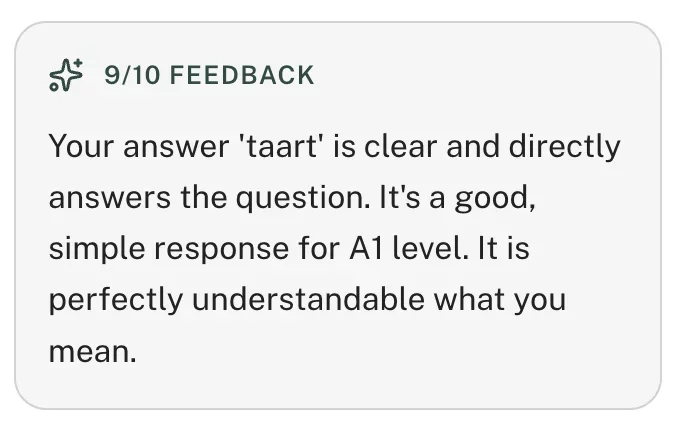 Why the Free NaarNederland Kit Isn't Enough: The Case for Structured Exam Training The Dutch civic integration exam (inburgeringsexamen buitenland) represents one of the most significant hurdles for anyone seeking to build a life in the Netherlands. Whether you're joining a partner, reuniting with family, or pursuing new opportunities, passing this exam is your gateway to obtaining an MVV visa. The Dutch government, recognizing the importance of proper preparation, offers the NaarNederland self-study package completely free of charge. It's comprehensive, official, and costs nothing. So why would anyone need anything more? Learn more in this guide.